
Preface
This is the third guest essay that I am sharing as part of our ongoing series on the topic of Roman Catholic eucharistic miracle claims. Having laid some general principles for Protestant analysis of these miracles in previous essays,1 we will now consider our first particular test case for these claims.
The original version of this essay is written in French by Maxime Georgel, a French-speaking Reformed apologist who runs the “Par la Foi” blog and YouTube channel. More relevant to the topic covered in this article is the fact that Maxime has a medical degree and works as a doctor—so he is far more qualified to speak on the subject than I am! I asked Maxime for his permission to translate his essay and share it here, which he graciously allowed me to do and then also helped me to check and edit for quality and accuracy; my goal is to continue translating his other essays on the topic as well as updating this essay as Maxime gathers further opinions from medical experts.
Thank you to Maxime for letting me share this article, and thank you to those of you who take the time to read it — hopefully it proves helpful to y’all!
Without further ado, here is Maxime’s essay…
General Considerations About Eucharistic Miracles
Introduction
Being both a physician as well as someone who is passionate about theology, the subject of Eucharistic miracles holds a certain interest for me, situated at the crossroads of the fields I have studied most. As I recently announced, I plan to publish articles analyzing each of the five miracles considered to be the most well-established. Here are the articles already published in this series:
Eucharistic Miracles: The Available Explanations
An essay on the options open to a Protestant evaluating eucharistic miracles.
Eucharistic Miracles: Christ’s Blood or Something Else?
An essay on the purported blood type shared by Roman Catholic eucharistic miracles.
Today, we begin with the oldest eucharistic miracle—that of Lanciano, Italy. This is the only alleged miracle that has been the subject of a publication in a scientific journal. For all the others, as we will see throughout this series, there are only written or oral testimonies from researchers, as well as results of examinations stripped of their raw data. As Dr. Trasancos, a Catholic chemist tasked by ecclesiastical authorities to investigate the subject, notes:
“Before I get into specific criticisms of the Eucharistic miracle investigations, I thought it would be useful to elaborate on the single concern that runs through all the cases, particularly the newer ones (Buenos Aires, Tixtla, and Sokółka). It’s the raw data, or rather the lack of it. […] Without exception—and I don’t say this lightly—none of the Eucharistic miracle investigations have published raw data. In most cases, the investigators have not even published a report. They make statements (“this tissue is living,” or “this patient was suffering,” or “this DNA has no paternal contribution”), and because some of these investigators are scientists or medical professionals, other people in authoritative positions, some ecclesiastical, some theological or philosophical, some social media influential, confuse the statements for raw data.”2
But in the case of Lanciano, we do in fact have a report to examine. We will first summarize the history of this alleged miracle and the scientific analyses presented by its defenders. Then we will provide an analysis of each of the claims made. We will then be able to conclude by classifying this alleged miracle according to one of the three options outlined in our general considerations article. Before that, however, it may be useful to mention the sources I consulted for this study, briefly summarizing their content.
Bibliography
The chapter and sections on Lanciano in A Cardiologist Examines Jesus by Roman Catholic cardiologist Franco Serafini. Serafini presents the history of the five miracle reports we will examine and defends the miraculous nature of these occurrences.
Various peer-reviewed articles by Dr. Kelly Kearse, an immunologist and also a Roman Catholic. Kearse challenges several arguments used by apologists and by Dr. Serafini. He does not offer general statements about Eucharistic miracles but, as a good scientist, focuses on examining very specific claims. You can get an idea of his work by consulting our article on blood types. I have also corresponded with him privately.
A video by the “atheist apologist” Absinners, in which he summarizes various relevant arguments concerning the Buenos Aires and Lanciano miracles, with the mocking tone characteristic of some anti-religious polemic content.
An article by Ethan Muse, a Catholic philosopher and blogger, dedicated specifically to Lanciano and aiming to offer the most comprehensive defense possible of this miracle.
The chapter by Matthieu Lavagna on Eucharistic miracles in his book of Catholic apologetics, as well as his video response to Absinners.
The book Behold it is I by Dr. Stacy Trasancos, a chemist, co-written with a priest and prefaced by traditionalist bishop Joseph Strickland. Dr. Trasancos, also Catholic, explains why the results concerning the miracles she examines are inconclusive. Her work is complemented by various articles on her blog, in which she meticulously refutes claims of Eucharistic miracles.
The blog Skeptasmic, which carefully examined various Eucharistic miracles over the past five years. The author, publishing under the name Kerry, is assisted by her husband, a PhD biologist. She also concludes in favor of the absence of miracles, and several of her arguments remain unanswered by proponents.
Bruno Sammaciccia’s book on Lanciano, which presents a partisan account of the history of the miracle.
A March 2025 article by Thomas Grzybowski and 12 other researchers, published in a peer-reviewed journal. The study analyzes 25 recent cases (Poland, Germany, United States, South Africa) using a multidisciplinary approach (microbiology, mycology, histology, forensic DNA and blood tests) and demonstrates the natural origin of the observed changes on the hosts. The study also proposes a procedure to evaluate future alleged miracles. It allows one, by comparison, to understand what a serious study on such claims should look like.
Various summaries and excerpts from Dr. Linoli’s study, which will be revisited in this article, as well as various documents provided to me by proponents of the miracle thesis.
The Story of the Lanciano Miracle, as Told by Its Defenders
The legend of Lanciano, a town in Italy, holds that in the 8th century, a priest doubting the real presence of Christ witnessed the host transform into flesh in his hands, and the contents of the chalice into blood. This was the first Lanciano miracle, the miracle of transformation. The precious relics were then reportedly the object of “uninterrupted devotion,” according to Franco Serafini.
The first ecclesiastical inspection of this miracle supposedly took place in 1574, during which a second miracle was noted: each of the five blood clots weighed the same, and one clot was said to weigh as much as all of them combined.
“On February 17, 1574, Archbishop Rodriguez carried out an initial recognition; as attested by an inscription on a marble block in the church, he observed in the presence of the people that the total weight of the five blood clots was identical to the weight of each clot individually.”3
This is the second Lanciano miracle, the miracle of weighing.
In 1886, another inspection occurred. During this inspection, the miracle of weighing did not occur, as each clot had a different weight from the others and, of course, different from the total.
Serafini claims that during the Napoleonic period, the convent was closed and underwent various transformations, even briefly becoming a Masonic lodge. It was only in 1952, he asserts, that the convent was restored to the Franciscans.
The narrative then moves to the “modern” inspection, that of 1970. In the post-Vatican II era, a scientific examination was required rather than medieval legends. Professor Linoli, an anatomic pathologist qualified to examine human tissues, was chosen by the convent to conduct the investigation. The texture of the object under study was described as solid, almost like wood. The substance was covered with mold, with remnants of insect bodies. Using forceps, he was allowed to take two small pieces from a total of 20 milligrams of the substance purportedly representing the body. Similarly, the five blood remnants were presented and weighed again (and each naturally had a different weight). A sample was taken.
After extensive examinations, Linoli concluded that the blood was indeed blood, the flesh was cardiac muscle, both were human and of blood type AB, the protein proportion corresponded to human blood, most minerals were present in reduced amounts, and calcium was increased (which Serafini claims is due to sample contamination). Linoli further stated that it could not be a fake, as it would be difficult to obtain a slice of myocardium like this. He published his findings in a scientific journal.
The 1970 inspection was supplemented in 1981, again by Linoli at the monks’ request. Additional cardiac structures were described, and Linoli hypothesized, regarding 14 small holes from the nails used to fix the relic, that the distension they showed was due to rigor mortis occurring 3–48 hours after the death of this heart. Thus, the original miracle heart was supposedly alive. He suggested that the samples represented an anatomical slice, a “complete slice” of a human heart. Various authors also mentioned the miraculous preservation of the relics. We therefore have to consider the miracle of transformation, the miracle of weighing, and the miracle of preservation!
In the late 1970s, the WHO and the United Nations, alerted to these results, supposedly conducted their own study, confirming Linoli’s conclusions after more than 500 samples.
Scientific Arguments from the Miracle’s Defenders
To help make my response to the miracle proponents’ arguments understandable, I will summarize them briefly. A more developed version can be found in the sources listed at the beginning of the article.
Macroscopic argument: the relic’s appearance, in size, texture, and thickness, would correspond to a heart.
Microscopic/histological argument: Linoli’s microscopic examination concluded the tissue corresponded to cardiac tissue, based on fiber orientation, syncytial structure, presence of adipocytes (fat cells), a connective layer with vessels resembling endocardium, vascular and nervous structures—several elements being specific to the heart.
Uhlenhuth test: positive for human serum, negative for bovine and rabbit serum, proving the tissue is human.
Absorption-elution test: agglutination indicates blood type AB, claimed to be human-specific.
Protein electrophoresis: shows protein composition similar to fresh human blood.
Additional arguments offered include:
A medieval forger would not have taken the time to obtain human flesh; he would have used animal flesh, indistinguishable at the time (assuming the tests are interpreted correctly).
Only an expert hand could make a longitudinal cut of the heart.
Known medieval tissue preservation techniques would have left traces not found in the sample.
Globulins, normally fragile, are abundant in the sample.
The proportions of these globulins correspond to fresh blood, as gamma band inflation is not observed.
Thin-layer chromatography shows the presence of hemoglobin.
Finally, defenders argue that Linoli could not have falsified the results because:
He would risk being exposed by future independent studies.
He would not have sought to publish his results and thus expose them to criticism.
He had no reason to do so, and as a Catholic, would have known lying about faith-related matters is a grave sin.
He could not have produced the 1970 report photos.
A fraud by Linoli would imply covering up an equally improbable medieval fraud.
Almost all of these arguments are weak, and the next part of the article will aim to demonstrate this.
Response to the Arguments
It is easier to state an argument than to respond to it. Indeed, the rhetorical strength of the miraculous narrative lies in presenting a coherent and appealing “version of events.” In contrast, a response does not primarily offer a competing story but rather refutes and contests what is claimed. Therefore, this section of the article may be somewhat dry, as rigor demands. This article identifies eight main problems and several secondary issues in the argumentation. For the writing of the final main problem, I consulted a specialist in histology and anatomic pathology; I particularly recommend that section.
First Problem: The Historical Gap
Eight Centuries of Silence
The narrative presented at the beginning of this article claims that the relics have been objects of “uninterrupted veneration” since the 8th century. The problem with this claim is that there is no trace of it. The first written mention of this miracle that we possess dates to the 16th century, a period when the Catholic Church, in the midst of the Counter-Reformation, had an urgent need for “anti-Protestant miracles” to defend the doctrine of transubstantiation. As evidence of the antiquity of the event, Serafini mentions, without any primary source,4 conflicts over possession of the church where the miracle allegedly occurred, which he interprets as a struggle for the precious relics it supposedly contained. He concedes, with honesty, that it must have been a conflict for its “precious, though never mentioned, contents.” Brilliant phrase!
Ethan Muse, in the article mentioned in the introduction, cites the “earliest mention” of the Lanciano miracle as an 11th-century text by Guitmund of Aversa, a Norman monk, who said his master Lanfranc spoke to him of a host turning red and being kept in a reliquary. The problem is that stories of this type were numerous in the medieval period, and this text mentions neither a chalice, nor the city of Lanciano, nor even Italy. Serafini is more cautious, suggesting that this text could be an indication in favor of veneration at Lanciano.
The first major problem, therefore, with the miracle thesis is the significant gap between the alleged event and the first indisputable mention of it. No matter what we examine today (or in 1970), we have no way of knowing whether it was ever really a host: everything rests on trusting a 1630s Italian document recounting an event purportedly eight centuries earlier.
Dr. Trasancos aptly notes in her conclusion on Lanciano:
« None of the scientific investigations can prove that bread turned into flesh. They only analyze the substance at hand. Data is only as good as its weakest link, so without a verifiable eyewitness and chain of custody, the scientific tests remain inconclusive on the question of a physical and chemical substance change. It comes down to what testimony we choose to believe.
None of the samples are dated with radiometric methods, so in a cold, hard technical sense, science cannot say anything about preservation.
If the sample turned to flesh in 700, and if the sample is the same one that was in the monstrance all those centuries, and if it was never tampered with, and if any natural explanation (desiccation) could be ruled out, then it would be remarkable that the protein profile gives the result it does. Additional tests could be done, but there will always be unanswered questions. Ultimately, it will come down to what testimony we choose to believe ».5
Similarly, Silvano Fuso, a member of CICAP (an Italian association of around a hundred researchers dedicated to debunking pseudoscience), notes:
“From a scientific point of view, it is clear that any investigation into the alleged transformation of the host and wine into flesh and blood is impossible. Belief in such a transformation is therefore a matter of pure faith. The only possible analyses concern the current state of the relic, its true nature, and methods of preservation.”6
Several elements also suggest an origin toward the late Middle Ages or early modern period:
The story of a doubting priest reassured by a bleeding host is a recurring theme in medieval Eucharistic legends: this is the case in Ratisbonne (1257), Bolsena (1264), and Macerata (1356). Historian Steven Justice studies about twenty such cases, all medieval.7
The relic itself is anachronistic. It corresponds to the size of a thin host used at the end of the Middle Ages. It was only gradually from the 9th century onward that unleavened bread began to be widely used; previously, leavened bread was used.8 This remained the practice in the East. The Franks slowly introduced unleavened bread, baked between two plates, which remained a large flat cake, not the size of a heart slice. Raban Maur in the 9th century, with Alcuin, is the earliest witness of unleavened bread in the West, according to Father Jungmann, who notes that this practice spread very slowly.9 Only later did the thin, small host appear, in the 11th century. Therefore, the size and thinness of the relic presented as a host do not correspond to 8th-century practice but rather match the late medieval period.
Furthermore, the example of Gregory of Tours, analyzed earlier and temporally closer (about six centuries closer than the first miracle narrative), shows that the flow of blood from a consecrated bread was not perceived at that time as confirming the real presence, but rather as a bad omen. It does not follow that such an event in the 8th century would have been perceived as confirming the real presence.
Two Questions
Another historical gap arises from my own questioning: the convent was desacralized under Napoleon and was not restored until the mid-20th century. Where were the relics stored during that time? Similarly, we know that in 1770 the reliquary was cleaned and the purported miraculous host was removed for a short period. These various events do not allow for an indisputable chain of custody even since the 16th century—unless information exists that I am unaware of.
An Analogy: Three Prophecies
It is not outrageously skeptical to consider that an eight-century gap between an event and its first written report makes the narrative less credible. This is exactly the kind of consideration that leads historians—and even orthodox apologists—to concede that there was never a painting of the Virgin Mary by Luke, the first mention of which occurs eight centuries after Saint Luke, in an iconodule context.10
But if a Catholic were tempted to object that this constitutes excessive skepticism, I would turn the challenge back with three events reported as supernatural in the Reformed tradition.
The Prophecy of Jan Hus
When the Bohemian Reformer Jan Hus was martyred at the Council of Constance, he supposedly said:
“You will roast a goose (Hus indeed means goose in Czech), but in a hundred years a swan will come that you will neither be able to roast nor boil!”
A hundred years later came Martin Luther. More than one Lutheran church is now topped with a swan instead of a rooster, in reference to this prophecy of Jan Hus.
However, the earliest sources for this prophecy are Lutheran authors, a century after the event.11 Nevertheless, we have more reason to believe in this prophecy than in the Lanciano narrative, which is alleged to have occurred eight centuries later:
One century versus eight centuries is a huge difference for the preservation of tradition.
Hus’s words are reported by Lutherans as known in their own time, and then applied to Luther.
Several letters from Jan Hus exist in which he calls himself “the goose,” including one where he mentions “other birds, which by God’s word and by their lives soar to high places, will break their traps in pieces.”12
A companion of Hus, shortly before his martyrdom, wrote in another letter:
“Written at Constance the Saturday before Martinmas. The Goose is not yet cooked, and is not afraid of being cooked, because this year the noted eve of St. Martin’s falls on Saturday, when geese are not eaten!”13 It is ironic that Jan Hus could not be executed before Saint Martin, knowing that it is on that date that a certain Martin would later be born in Germany. Thus, the imagery of the roasted goose to indicate Hus’s probable martyrdom is attested at that time.
In any case, this alleged prophecy of Jan Hus is reported by sources much closer to the event and suffers from no anachronism, as it corresponds to the language used by Hus and his companions. Yet, if this prophecy were divine, it does not easily fit into the Roman Catholic paradigm.
“This Will Be Your Last Supper”
As an anecdote, I relate another prophetic episode in Scotland, reported by an eyewitness in a biographical account:
“Having attended at Contin on a Communion Sabbath, when my father officiated, after all the other communicants had taken their places at the table, he, for some reason which he did not live to reveal, still remained in his seat. The minister said ‘There is still some communicant here who has not come forward, and till that person takes a seat at the table I cannot proceed with the service.’ Another verse was then sung, but ‘the merchant from Kiltarlity’ did not come. He was not in the minister’s eye, though there was some one on his spirit, when he said ‘I implore you to come forward, for this is your last opportunity of showing forth the Lord’s death till He come; for if I am not greatly mistaken, you will not reach your home in life after the close of the service’. The merchant then came forward, and no sooner had he taken his seat at the table than the minister said, ‘We may now proceed with the service’. On the dismissal of the congregation on Monday, the merchant set his face on his home, but while crossing the ford of the Conon, he was carried down by the stream and was drowned.”14
Stories like this abound—dozens can be found in the history of the Reformed Church in Scotland alone. If this prophecy were divine, it would presuppose the validity of Reformed sacraments and thus would not easily fit into the Roman Catholic paradigm either.
The Prophecies of John Knox
Many contemporary or near-contemporary authors of the Scottish Reformer John Knox report various prophecies he made regarding opponents and persecutors of Protestants. Samuel Rutherford, for example, born roughly 30 years after Knox’s ministry, briefly recounts:
“There is a revelation of some particular men, who have foretold things to come, even since the ceasing of the Canon of the Word, as John Husse [John Hus], Wickeliefe [Wycliffe], Luther, have foretold things to come and they certainly fell out, and in our nation of Scotland, M. George Wishart foretold that Cardinal Beaton should not come out alive at the Gates of the Castle of St. Andrews, but that he should die a shameful death, and he was hanged over the window that he did look out at, when he saw the man of God burnt, Knox prophesied of the hanging of the Lord of Grange, M. Ioh. Davidson uttered prophecies, known to many of the kingdome, diverse Holy and mortified preachers in England have done the like.”15
Certainly, these various testimonies concerning Knox, Wishart, and Davidson also do not fit easily into the Roman Catholic paradigm, yet they were well known enough not to have been contested at the time, to my knowledge.
I will now close this digression and return to Lanciano.
Second Problem: The Fake WHO Report
You may have noticed that at the end of my historical summary, I mentioned a study supposedly conducted by the WHO, which allegedly confirmed Linoli’s conclusions. The International Vatican Exhibition, organized by the Association of Friends of the Eucharistic Miracles of the recently canonized Carlo Acutis, claims:
“In 1973, the High Council of the World Health Organization (WHO) appointed a scientific commission to verify the conclusions of Professor Linoli. The work lasted 15 months and 500 examinations were conducted. The conclusions of all the research confirmed what had been declared and published in Italy. The excerpt of the scientific research of the WHO medical commission was published in New York and Geneva in 1976, and confirmed the incapacity of science to explain the phenomenon.”16
This story was circulated by countless Catholic websites for over 20 years (and continues to be), including in France by the association 1000 raisons de croire, influencers Le Catho de Service and Ignis, as noted by Absinners. Matthieu Lavagna also repeated this claim in the first version of his apologetics book. Fortunately, the latest version of the book no longer includes this claim and instead provides the following footnote:
“Many Catholic websites and books fervently claim that the WHO studied the host of Lanciano in the years following Linoli’s work. However, this is false information, refuted by Franco Serafini (op. cit., pp. 28-29): the author went to Italy to consult the report, which actually concerned Egyptian mummies! I myself relayed this error in the first edition of my book and intellectual honesty compels me to publicly retract it here.”
Indeed, for years various skeptical authors noted the impossibility of locating this WHO document. Dr. Serafini then went to the Lanciano convent, where a chest was opened for him to consult the document. It consisted of several hundred pages regarding Egyptian mummies, with a first page about Dr. Linoli appended. In short, this was not simply false information spread by exaggeration or distortion, but a clear fraud, with a fake report stored in the Lanciano convent for years.
This story raises three questions:
It shows the lack of rigor of those who relayed the information. These individuals could not have consulted the report whose conclusions they reported, since the report does not exist. They likely found it unnecessary to consult a primary source before making such a spectacular claim. The Carlo Acutis exhibition, which still presents this information today, toured thousands of parishes and hundreds of universities. While it is hard to blame young Acutis, who was only a teenager, one can certainly question the global association promoting his work.
It raises questions about the integrity of the Lanciano convent. This fraud has circulated since at least 2005, meaning that for over 10 years the convent had this fraudulent document and presented it as evidence to thousands of pilgrims. Dr. Serafini noted that it took him less than 2 minutes to recognize the fraud upon opening the document. Did nobody open it in the nearly 15 years it was stored? On an Italian forum, I found a comment left by a Catholic (under the pseudonym Aldo Grano) in 2014: “To read the original document, the easiest—the only one I’ve found so far—is to go to Lanciano, where the brothers, whom I contacted by phone, told me they had it in English.” Thus, in 2014, when questions about the authenticity of this study arose, the brothers of the convent were still perpetuating the lie.
It raises questions about Dr. Linoli himself. Indeed, it was following a 2005 congress where he was a keynote speaker that this falsehood began to circulate. The first mention of this report appears in a written interview with Dr. Linoli at the congress. The second mention appears in a May 2005 article covering the event. From this point, sites like EWTN, PhatMass, and forums began discussing it. Does this mean Dr. Linoli, who continued giving lectures on the miracle into his later years, never saw these published interviews? If he was aware, and assuming he was not the originator of the claim, why did he not correct it? As Dr. Trasancos notes about the 2005 article: “The way the article is written, it sounds as if Linoli told the reporter about the WHO studies that verified his work on the Lanciano samples.” Since the convent selected Dr. Linoli as the scientist in charge, who else could have provided them with this fake report? Although one cannot formally accuse him of being the forger, he remains the primary suspect.
Third Problem: The Pseudo-Miracle of the Weighing
The famous brochure from the association mentioned earlier also claims:
“In the blood of the prodigy, all components present in fresh blood are found. And, miracle within the miracle, each of the five blood clots weighs separately 15.85 grams: exactly the weight of all clots weighed together.”17
This claim is simply false. Both during the weighing in 1886 and during Linoli’s study (even though the latter surprisingly does not report the exact weight), this “miracle of the weighing” was never observed. The only “evidence” of the miracle within a miracle is thus a stone engraved in the church at Lanciano that recounts the legend.
The first three problems concerned the history of the miracle and its transmission. The next problems address Linoli’s study itself and the arguments drawn from it by Franco Serafini, Ethan Muse, and Matthieu Lavagna.
Fourth Problem: Linoli’s Study Was Published Without Peer Review
Linoli published his study in a scientific journal. This is rare enough to be noted: of all the miracles we will examine, this is the only one published in a scientific journal, as mentioned. Researchers Thomasz Grzybowski and Marta Wrzosek, along with eleven other collaborators (all Catholic and Polish, to my knowledge), note in a March 2025 study:
“Unfortunately, except for isolated instances (Virgolini et al. 2023; Linoli 1971), the results of those efforts were never communicated to the general scientific community in the form of peer-reviewed papers. Instead, some of the conclusions were disseminated in a popular rather than scientific form, causing ambiguity and confusion (Chłopkowska 2017; Serafini 2021).”18
The two “isolated cases” mentioned are:
Irene Virgolini’s study on an alleged miracle in Tyrol, Austria — concluding that bacterial contamination caused the observed changes.19
Linoli’s study, which is now under discussion.
Notice that these researchers do not consider Serafini’s book scientific; rather, they say it generates confusion.
Prejudgment Bias
A major weakness of Linoli’s study, even before reading it, is the risk of prejudgment bias. Linoli was selected by the convent to conduct the study. He believed, even before performing the analysis, that the material in his hands was from a miracle:
“ Everyone involved already accepted this miracle as being true. The entire report shows that Dr. Linoli approached the study of not just possible flesh and possible blood, but the flesh and the blood of the miracle of Lanciano.”20
When he called upon another researcher to confirm his conclusions, Linoli himself chose the researcher, who did not perform a blinded analysis. In the letter reporting his conclusions, the introduction reads:
“Professor Odoardo Linoli, head of the laboratory of clinical analysis and pathological anatomy at ‘Santa Maria Sopra i Ponti’ Hospital in Arezzo, formally submitted to my evaluation a series of histological preparations obtained from a fragment he collected, as he explicitly declared, from a Holy Host preserved in a church in Lanciano.”21
This confirmation is not part of the published study but is known from an additional letter.
Thus, we must trust Linoli, a Catholic, convinced beforehand of the miraculous nature of what he examined. We must trust him regarding:
The histological slides being from Lanciano;
The absence of potentially contradictory slides;
The selection of slides sent to the retired colleague.
As Dr. Trasancos notes:
“ Here we must rely on images selected by Dr. Linoli to tell the story. Indeed, one places faith in scientists who view, photograph, and interpret microscope slides. We do not know what the rest of the material looked like, but we can assume that photographs were selected to present the best possible visualization.”22
I am not asserting suspicion here — I am willing to read Linoli as honest, as Dr. Trasancos does. I am merely stating what any medical student learns early: his study cannot escape the suspicion of prejudgment (confirmation) bias, one of the worst biases for any study.
This bias is particularly problematic because the convent, which commissioned Linoli, was complicit in storing the fake WHO report discussed earlier, and several elements suggest this report originated from circles close to Linoli. This risk is all the more serious because histological analysis—quite apart from the issue of fraud—is an examiner-dependent assessment. Franco Serafini himself acknowledges that this is a weakness and states:
“The entire investigation was conducted by Professor Linoli alone. There was no supervisory committee: he collected the samples, and they were analyzed by him, and by him alone(Franco Serafini, Un cardiologue rencontre Jésus.).”
This lack of control is also a weakness because Linoli published only in local journals, never in international journals or journals with an impact factor. He had no specific expertise with ancient tissues — he was not a particularly influential academic whose reputation alone could lend authority.
Moreover, the absence of a blinded study cannot be excused due to the age of the study; blinded studies were already common practice by the 1940s.23
Fifth Problem: The “Joker” of Selective Miraculous Preservation
You will occasionally read, both in Serafini and among apologetic popularizations, that the Lanciano relics demonstrate miraculous preservation. Yet, curiously, the poor state of preservation is invoked whenever a result does not align with what one would expect from human blood and tissue.
Some blood proteins are present in the same quantity as in fresh blood: “See how miraculously the sample has been preserved across centuries!”
Two tests for the presence of hemoglobin are negative: “How could it be otherwise after so many centuries?”
It makes no sense to speak of a preservation miracle if the absence of red and white blood cells, the absence of heme, the over-concentration of calcium, the under-concentration of chlorine, phosphorus, magnesium, potassium, the presence of mold, the absence of the interventricular septum, etc., are then explained by poor preservation. One cannot have it both ways. Either the relic is miraculously preserved and one refrains from invoking poor preservation to explain observations, or one stops appealing to this alleged miracle of preservation.
Moreover, it makes little sense to judge the preservation of a sample whose date has never been scientifically verified. The only reason to date it to the 8th century is a devotional narrative written eight centuries later.
Silvano Fuso, a member of CICAP, notes:
“Of course, the preservation of proteins and minerals observed in the flesh and blood of Lanciano is neither impossible nor exceptional: repeated analyses have allowed proteins to be found in 4- and 5,000-year-old Egyptian mummies. But it should be emphasized that the case of a body mummified according to known procedures is very different from that of a fragment of myocardium, left in its natural state for centuries, exposed to atmospheric physical and biochemical agents… Unfortunately, Professor Linoli’s studies leave many questions unanswered. For example, they provide no information on the age of the relic and do not completely exclude the possibility that an anatomical specimen could have been naturally preserved under these conditions, even without added preservatives.”24
Linoli indeed claims that no mummifying substances are present in the flesh, without explaining the basis for this claim or performing specific analyses to support it. In reality, such substances are unnecessary: to preserve meat in a “mummified” state, it is not required to infuse it with it with anything; desiccation is one of the oldest methods of meat preservation. Furthermore, subsequent studies present histological photographs of Chilean mummies, some 3,000 years old, whose preservation is due to spontaneous mummification caused by environmental conditions — a phenomenon similar to meat drying. The tissue preservation of these Chilean mummies is far superior to that of the Lanciano sample, as a comparative table at the end of the article illustrates for anyone familiar with histology.
The same study notes, in the section on optical microscopy of mummified tissues:
“The first observation under the microscope is the near disappearance of cell nuclei in all tissues.”25
Yet Linoli describes exactly this in his earliest microscopic observations:
“The structural profile of the tissue appears notably modified by the inability to stain the nuclei and by a certain degree of overall homogenization.”26
Thus, the claim that the tissue could not have been preserved by desiccation is unfounded.
Ethan Muse’s argument that alcohol treatment (in the case of artificially preserved tissue) would prevent reactivity in ABO tests disregards the possibility of bacterial contamination, even ancient, long after the treatment — which suffices to explain the results. As for reactivity in the Uhlenhuth test, his claim is more plausible; however, it would be desirable to present specific studies focusing on ancient tissues treated with alcohol and on the effects of such treatment on antigens.
Ultimately, there is nothing in the Lanciano sample that is not found in other samples and that would require a miraculous explanation for the observed state of preservation. Ethan Muse goes so far as to claim it is a challenge to the skeptic that proteins are preserved but not heme, reputedly more stable. In reality, it is the proponent of miraculous preservation who must explain this discrepancy — and the more plausible explanation points to defective sample analysis.
Sixth Problem: Dubious Conclusions
Some other conclusions of Linoli’s study, which are presented as certain, are in fact much less established than his defenders would have it.
Blood Groups
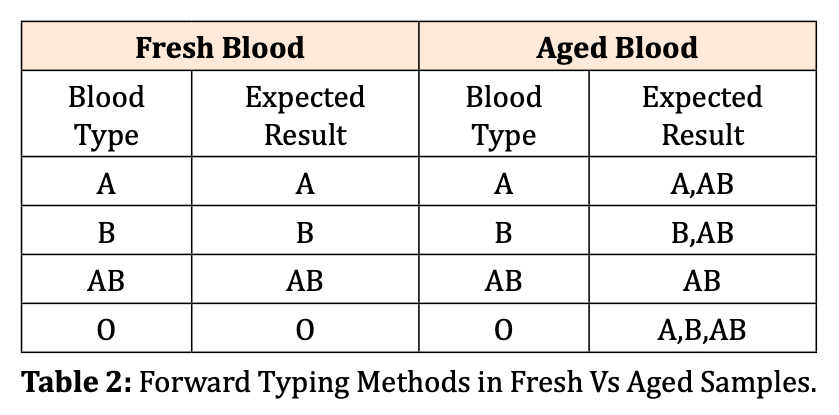
I have already dealt in great detail with the question of blood groups and refer you to my article on the subject for sourcing everything that follows. To summarize briefly, various contaminants can be responsible for false positives in ABO testing. Since nearly all ancient tissues, with a few exceptions, are contaminated, these serological tests are no longer used today. The passage of bacteria into the sample can both leave fragments of bacterial cell walls that distort the result, and the bacteria can also chemically modify existing molecules.
The alleged blood of Lanciano tested as group AB, which is precisely the group that is overrepresented in ancient and contaminated blood. Ethan Muse’s claim that these results can only be explained by the presence of primate blood is unfounded, and the source he cites in the footnote does not assert this. In fact, that source refers to a study specifically concerning the presence of anti-B agglutinins in a breed of chicken (the White Leghorn). In the case studied, these agglutinins developed due to contact with an E. coli bacterium and viruses, not because of contact with primates!
Ethan Muse also cites five studies in footnotes to demonstrate that bacteria could not have survived under the conditions of the Lanciano relic. These studies are again of no use in demonstrating that, since they examine bacterial survival in dry environments (whereas the relic was found with mold, which is not a dry environment), and the presence of bacterial cell walls (not live bacteria) is sufficient to distort the result. (Update: I also note that since the publication of my article, Ethan Muse has removed his claim as well as the footnote containing these five studies, as can be seen by comparing the current version of his article with this archived record from late September 2025.)
Ethan Muse further makes the incomprehensible claim that because the sample was taken from the inner edge rather than the outer surface, it could not have been contaminated. The sample taken weighs 20 milligrams, making it particularly superficial, and nothing indicates that only the outer edge was exposed, since, according to the investigation report itself, it is stated:
“It was immediately observed that the case containing the Flesh had not been hermetically sealed, which explained the presence of mold and other material unrelated to the subject, visible under microscopic examination.”27
Is this the sterile sample — a sample where contamination by mold is still observable under a microscope?
As for the blood sample, I do not know what allows Ethan Muse to claim that it was taken from a particularly well-preserved area. Only a secondary source allows itself to make this assertion (Nasuti’s summary); Linoli’s own study merely states:
“The undersigned requested from His Excellency the Archbishop permission to take, for purposes of analysis, a small fragment of the Blood. The fragment thus taken, carefully weighed at the laboratory in Arezzo, showed a weight of 318 mg.”
A strange fact that I have not yet finished investigating is that the version of Linoli’s article reproduced by Sammaciccia (which serves as the basis for the French translation of the study) contains more than one paragraph that does not appear in the original study. The figure of 318 mg itself, for example, is not found there.
Moreover, it must be understood that for a bacterium to alter the result of an AB antigen test, it is not necessary for the bacterium to be alive at the time of examination, nor even for fragments of bacteria to remain in the sample. Indeed, bacteria also produce chemical reactions that can modify (by deacetylation) A-type structures into B antigens, what is known as an “acquired B group” in a sample.28 Serafini seems to completely miss the argument when he states:
“It is good for the reader to know, once and for all, […] that a population of rod-shaped enterobacteria has nothing to do with striated cardiac muscle tissue! From the very first year of medical school, in histology courses, students are taught to distinguish the different tissues of the human body: if you cannot distinguish bacterial contamination from organized tissue, you fail! It is as if one were reproaching an airline pilot with thirty years of experience for not being able to distinguish, at altitude, a runway from a potato field.”29
Indeed, he confuses a histological argument with an immunological argument. Kearse’s point is not that one might confuse the human heart with a bacterium under the microscope, but that the present or past presence of a bacterium in a sample, whatever that sample may be, can lead to a false positive in an immunological test. Accordingly, one cannot rely on these results, and even less on their supposed convergence, as Franco Serafini nevertheless does.
The Uhlenhuth Test
Ethan Muse (who, I remind you, is a philosopher) claims that the Uhlenhuth antigenic test, which returned positive for human serum and negative for bovine and rabbit serum, establishes without doubt that it is human blood.
Kelly Kearse, an immunologist and therefore specialized in this type of study, states:
“In a recent book on the scientific nature of Eucharistic miracles, “A Cardiologist examines Jesus”, Serafini states that “it is qualitatively unquestionable that the miracle of Lanciano contains true human blood.”. Unfortunately, however, it cannot be declared that the results are specific for human blood as very limited demonstration is given regarding the potential cross-reactivity of the antisera used with only two other species tested, bovine and rabbit. Indeed, this study relies on a polyclonal antibody preparation made via a relatively unrefined immunization using whole human blood; such preparations would be expected to be potentially cross-reactive with blood from other species.”30
For reference, a table below indicates the proportion of cross-reactivity for other primates as well as cattle, sheep, horse, deer, etc. Agglutination is not specific to primates, even before considering contamination. It is precisely because the test is not specific that Dr. Linoli also tested bovine and rabbit serum (and only these two, unfortunately). In reality, even the negativity of the tests for bovine and rabbit serum is not certain, because the sensitivity of this test decreases with sample degradation, and the samples considered were very degraded.31 Since the tests involve isotopes that differ by species, it is possible that the loss of sensitivity was asymmetric. Thus, concluding human blood is a possible, but generous, interpretation.
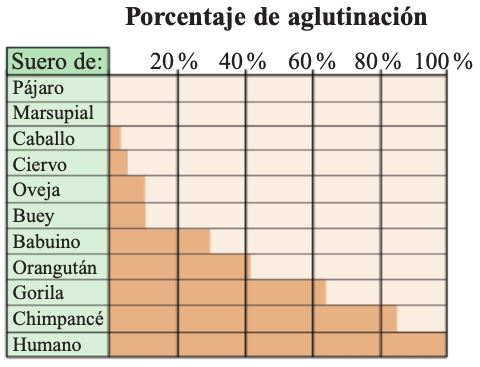
Curiously, the reference Linoli himself cites in his study states that the same reaction is observed with human blood, the blood of other primates, or even raccoons, making them indistinguishable.32 Today we know that these cross-reactions occur with a larger number of species, including dogs and cats.33 When I shared these various data with Ethan Muse, he replied that he considered the proportions of cross-reactivity to be too low to matter. The problem is that these proportions vary considerably depending on the sources consulted. Moreover, quantitative precipitation tests are 100 to 1,000 times less sensitive than methods such as ELISA.34 This loss of sensitivity implies the need to concentrate the sample, which in turn leads to false positives. The rate of cross-reactivity will depend on the concentration of antigen in the sample. This information, if I am not mistaken, is not available for Lanciano: no data are provided regarding dilution. We only know that the extract was concentrated fivefold for the electrophoresis test.
Protein Electrophoresis
The protein profile in the blood sample produces a pattern comparable to that of fresh human blood. However, it is important to recall how this test works before jumping to conclusions as Ethan Muse does. This test causes molecules to migrate under an electric field according to their weight. Imagine we place on a table in front of you various objects of different weights: paper, feathers, straw, wood shavings, small pebbles, lead balls, etc. Now imagine turning on a fan at one end of the table and noting where each object moves. Presumably, the heaviest objects will move less far than the lighter ones.
This analogy is a crude simplification but helps you understand that just because one object moves the same distance as another, it does not mean it is the same: it simply has a similar mass. Other tests are required to verify the nature of the molecule in question. In other words, this test is a good test for analyzing human blood once it is already established that it is human blood, but it is not a test that can, on its own, establish that. A simple gel electrophoresis cannot distinguish intact human albumin from degraded protein, from a protein aggregate, from albumin of another species, or from a charged molecule with the same mobility.35
This limitation of electrophoresis is why modern research has abandoned it in favor of mass spectrometry. And this abandonment makes comparison difficult: finding a remarkable result using a method not commonly applied to ancient tissues does not invite concluding miraculous preservation, but rather analyzing protein composition by methods that can identify the proteins in question — which has not been done at Lanciano. Yet the entirety of Ethan Muse’s analysis assumes protein identification has been established.
As Dr. Trasancos, who is a chemist and therefore knowledgeable about this test, notes:
“ Electrophoresis measurements are semi-quantitative. Since the tests separate charged large molecules from small molecules in an electric field, the test does not give a positive identification of the chemical composition of the components separated. If they are run against controls, as Dr. Linoli did with human blood, the most that be concluded is that the sample could be the same as the control, although it is undeniably remarkable that the controls and tests were so close a match.
Just as in the blood typing test, electrophoresis is a first-round test that would need to be followed with more tests to know whether there were other large molecules that deposited the same way the control molecules did. The test results indicate that there are large molecules, the size of albumin, in the sample. Genetic testing or mass spectroscopy could provide more information. Dr. Linoli used the tools of his time, but today, a ‘truly wondrous’ result would warrant further testing.”36
Moreover, the presence of blood proteins has since been identified in other ancient tissues,37 which led Silvano Fuso, a professor and chemist, to comment:
“Of course, the preservation of proteins and minerals observed in the flesh and blood of Lanciano is neither impossible nor exceptional.”38
The Orthotolidine Test
Regarding the Stone and Burke test, which was positive, Linoli notes that it is an oxidase detection test, and it is easy to see that oxidase is far from being a blood-specific molecule. Linoli himself acknowledges that no conclusions can be drawn from oxidase detection, since it can appear “in the presence of organs rich in enzymes, plant extracts, or finely divided metals”;39 recall that during microscopic examination he reported detecting “rare foreign bodies of probable vegetable nature.”40
Thin-Layer Chromatography
This technique consists of depositing the sample on a vertical silica gel plate, which is then placed in a solvent. The liquid rises by capillarity, carrying the sample’s various components to differing heights depending on their polarity. The distance traveled by the resulting spots from the initial deposit is then measured and divided by the distance traveled by the solvent: this gives the Rf (ratio of front).
Applying this method to the Lanciano blood, Linoli observed a spot with an Rf of 0.88, which would correspond to the value he obtained under the same conditions for a hemoglobin sample. From this, he concluded the presence of hemoglobin and, consequently, that it is indeed blood. But this conclusion is premature: thin-layer chromatography is only probative in the negative sense, i.e., when it gives divergent Rf values; the reverse is not true, since different molecules can have the same Rf, and the identification here would only be indicative, pending confirmation by other tests, just as with electrophoresis.41
Seventh Problem: The Difficulties That Are Concealed
Other tests performed are only briefly mentioned rather than explained in detail in partisan sources. Let us recount them.
Teichmann Reaction
This is a method used in forensic medicine to detect blood stains, based on the transformation of hemoglobin into hemin crystals after treatment with boiling acetic acid.42 This test returned negative, indicating the absence of hemoglobin. Such a result is entirely possible for an ancient tissue. But in that case, it is no longer relevant to claim miraculous preservation.
Takayama Reaction
A complementary test used in forensic medicine to identify the presence of blood is the Takayama reaction. Forensic experts note that:
“Only confirmatory tests like the Takayama Crystal Test and the Teichmann Crystal Test allow us to conclude […] that we are indeed dealing with blood.”43
This test also returned negative. Again, this outcome is possible with ancient blood (though not always). Once more, it is no longer appropriate to invoke miraculous preservation.
Absence of Red and White Blood Cells
No cells are observed in the blood sample, as reported by Serafini. Again, this is possible for ancient tissue. Yet these same cells have been observed in millennia-old mummy samples,44 on prehistoric tools,45 and on a famous multi-millennial Iceman.46 In fact, it is now well-known that dinosaur bones also contain red blood cells.
Thus, although it is not surprising that ancient tissue no longer contains these cells, it is difficult to understand why the preservation of this sample—which is less well-preserved than other, older examples—should lead us to conclude a miracle of preservation.
Chemical Components
Linoli’s study includes the following table:
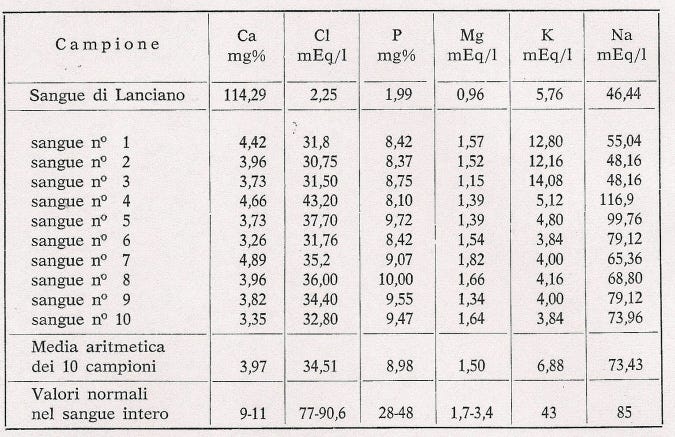
In this table, the first row reports the values of calcium, chlorine, phosphorus, magnesium, potassium (Kalium), and sodium (Natrium) in the “blood” of Lanciano. The following ten rows compare these values with those obtained from ten dried control blood samples. Then comes the average of the ten controls, and finally the values considered normal in a blood panel. None of the values obtained fall within normal blood ranges. And the mere presence of these minerals is absolutely not specific to blood, let alone to human blood. The calcium level is greatly elevated, while all other minerals are markedly reduced.
Yet, incomprehensibly, Linoli comments:
“One can say that, overall, the components of the ‘Blood’ have been maintained through the centuries in a manner not different from dried control blood.”47
It is difficult to summarize these data more inaccurately. Linoli suggests, regarding the increased calcium, pollution due to the glass of the reliquary (without providing any source supporting the possibility of such pollution). Ethan Muse ignores these data. Serafini mentions them, invoking the poor preservation of the sample (but then, where is the miracle of preservation?).
Eighth Problem: The Subjectivity of Histological and Macroscopic Analysis
Microscopic analysis of a tissue may appear, to the layperson, to be an objective and indisputable piece of data (and this is often how popular literature presents things regarding this miracle). In reality, it is not simply a matter of zooming in very far and observing. A tissue sample must be prepared; stains or even markers are used, depending on the hypotheses that have been formulated. “The samples were admittedly altered by time, dehydrated in storage for centuries, rehydrated in the lab, fixed in alcohol, embedded in paraffin, sliced, and stained.”48 Thus, Dr. Kelly Kearse and Frank Ligaj appropriately point out:
“One pervading issue in many of these histological reports is that they are based on visual inspection alone. While this may be suitable in the normal routine of examining specimens from persons about which considerable information is known, identification of certain cell types or tissues in cases such as these requires accompanying studies with cell-specific markers.”49
Although this analysis is one of the most interesting parts of the study—assuming, of course, that there was no misrepresentation on Linoli’s part—it remains doubtful due to the particularly altered nature of the sample examined.
Macroscopic Appearance
Regarding the macroscopic analysis of the tissue, Professor Giuseppe Costantino Budetta, associate professor at the University of Palermo, author of more than one hundred scientific publications—including some in major American (J. Anatomia) and British journals—specialist in immunohistochemistry at the Faculty of Medicine of Naples and in domestic animal nutrition at the Faculty of Veterinary Medicine of Naples, states that he attended a visit to Lanciano in September 2007 and notes, in a publication for Auditorium (a site for academic essays in archaeology), macroscopic inconsistencies between the hypothesis of a cardiac slice presented to him during his visit and the observable images.50 Without contesting the human or even cardiac origin of the tissue (as one cannot judge such things from macroscopic appearance), he favors the hypothesis of a medieval fraud and notes signs of deliberate modification of the tissue.
Microscopic Appearance
As for the microscopic analysis, being myself unqualified to judge the images available (see the 18 slides compiled by Nasuti), I had the idea of contacting my former histology professor, who is also head of a pathology department and has worked with INSERM and the CNRS. A PubMed search returns more than 300 articles in his name, including some in PLOS ONE and The Lancet. In other words, his profession is to examine histological sections and analyze them, and he has significantly more academic experience than Dr. Linoli. Linoli asserts:
“The illustrations accompanying this text are sufficient in themselves to confirm this diagnosis, irrefutable despite the limitations of tissue staining.”51
I therefore sent all 18 images to my professor, giving him the magnification, the staining technique used, and the decade during which the study had been carried out, but without providing the origin of the samples. I simply told him it was a very degraded tissue. He first responded:
“Indeed, this is not of high quality. One sees an acellular fibrous connective tissue. Scar tissue, aponeurosis… In slide 11, a slight doubt with epithelium because of the cavities, but no visible cells, so more likely a fibrous tissue with artifacts. I am not familiar with the Ignesti method (photos 5 and 8).”
In other words, the images do not suggest cardiac tissue to him, but rather fibrous connective tissue, with a slight possibility of skin.
He then asked me for additional information. In order not to break the blind, I attempted the same exercise in reverse: still without telling him where the slides came from, I provided him with Linoli’s interpretations of each one so that he could judge whether they were plausible, telling him that the context was that of a forensic investigation.
Before giving you his response, I should mention that I also sought to understand why the Ignesti method was unknown to him: this method appears only in Italian sources, seems quite old and outdated, likely due to lack of specificity. It is said to be named after Ugo Ignesti and was a trichrome stain used for muscular pathologies. I provided him with the information available about this trichrome.
Here is his response, image by image (remember that these images are supposedly those that “offer the best possible visualization”52), with Linoli’s comment followed by my professor’s comment (the latter being in bold):
“For Figure 1, it is stated: Overall histological appearance of a Flesh sample consisting of fibers grouped into bundles with longitudinal orientation.
OKFor Figure 2: Muscle cells with longitudinal orientation.
Not convinced, rather fibrous tissue.For Figure 3: Myocardial tissue whose cells have various orientations.
Not convinced, rather fibrous tissue; no striations or nuclei can be identified.For Figure 4: An anastomotic bridge between myocardial cells.
Rather collagenous tissue, somewhat cracked; the striations I think I perceive are those caused by pixelation.For Figure 5: An anastomotic bridge between myocardial cells.
Same.For Figure 6: Overall appearance showing the structure of striated muscle tissue with fibers connecting to one another in a syncytial pattern.
Same.For Figure 7: This magnification shows a tissue structure very dense in fibers, presenting a syncytial appearance.
One could have some doubt because one can make out a striation, but the bridges seem more like artifacts.For Figure 8: Although the tissue is old, it is made up of muscular fibro-cells isolated or grouped in bundles. In many places, the fibro-cells join together. The tissue, of the syncytial type, is clearly evident. Despite certain artifacts due to the age of the tissue, it is clear that it is made up of cardiac muscle cells isolated or in bundles.
Uninterpretable.For Figure 9: Syncytial arrangement of myocardial cells.
A few rare nuclei can be made out, but impossible to interpret.Additional comment: The syncytial aggregation of the fibers is a constant characteristic of the tissue, with occasional transverse junctions (Fig. 6, Fig. 7), including in areas where the fibers are denser and form a compact body. Moreover, a lobule of adipose tissue was found in the interstice of the striated muscle, crossed by fibers that scatter around it (Fig. 10, Fig. 11, Fig. 12).
Fig. 10 – Eosin ×200. Lobule of adipose tissue in the interstitial space of the striated muscle. The muscle cells are dissociated and mixed with adipose cells within the myocardial tissue.
As for the adipocytes (clear vacuoles): why not, but they seem small for this magnification.Figure 11: Blood vessels (arteries and veins).
I do not recognize vascular structures. Uninterpretable.Figure 12: Blood vessels (arteries and veins) within the myocardial tissue. A nodule of adipose tissue is interwoven with the myocardial tissue.
Same.Figure 13: An artery and, very close by, a branch of the vagus nerve.
??Figure 14: Branch of the vagus nerve. Thin perineurium and well-preserved fascicular structure.
Possible that there is a nerve.Figure 15: Endocardial structure with “hills” in the shape of papillae.
With the eyes of faith.Figure 16: Revealing the “rough” aspect of the endocardium; underneath, the syncytial structure of the myocardial tissue.
Same.These data are also confirmed at higher magnification, even though the endothelial layer is absent due to the age of the tissue (Fig. 17, Fig. 18).
Same.Figure 17: The endocardium, as a continuous connective layer, and below it the myocardial tissue with blood vessels.
Same.Figure 18: Fragment of endocardium in the form of a fibrous layer of regular thickness, with blood vessels in the sub-endocardial tissue and the myocardial tissue.
Possible that it is a vascular lumen, but the peripheral tissue cannot be identified.Overall, post-mortem autolytic processes and technical artifacts hinder tissue recognition and do not allow the captions to be confirmed. They do not allow some of them to be ruled out either, since the author supposedly knew beforehand where the sample had been taken (or, did he deduce this?), and I am hindered by an examination based on pixelated, small-format photos. Perhaps by enlarging them it would be possible to see certain details.”
Thus, to summarize his opinion: images 1 to 6 correspond more to fibrous tissue than to myocardial tissue. Images 7 to 12 are either artefactual (as Linoli himself had noted) or doubtful: the vacuoles seem too small to be adipocytes. These 12 images correspond to those in the 1971 study; the following images come from an additional document published for the 10th anniversary of the ecclesiastical authorization for the study. The next 6 are doubtful for images 14 and 18: perhaps a nerve, perhaps a vessel. For images 15 to 17, the statements are made “with the eyes of faith” (the expression made me smile, given the context!). One more clarification is of interest: my professor assumes that Linoli could only have made such statements because he knew where the sample had been taken from. Yet Linoli did not know this, since determining it was precisely the purpose of his study, and this is exactly what makes his analysis uncertain. Since I mentioned the context of an investigation, my professor assumed a cadaveric origin; this is not a histological interpretation on his part. If one of my readers has access to additional or better-quality photographs, I will transmit them to my professor and supplement the article with his responses. I have also contacted other pathologists and am still awaiting their replies. I will expand my article in due course.
Ethan Muse’s article offers several remarks on the macroscopic and microscopic appearance, without any source other than the images themselves and by conceding the entirety of Linoli’s analysis, even though he has no particular expertise in histology to evaluate that analysis. These remarks have no scientific value in themselves and are merely a reiteration of Linoli’s opinion, expanded and elaborated by an amateur. Moreover, some of the arguments make little sense: we are told that the uniformly longitudinal appearance of the cells in the sections testifies to an expert hand. But the third image, for example (as well as the ninth), does not show a longitudinal aspect. The very caption by Linoli states that they are “of various orientations.” Let us recall that we are speaking of a 20-milligram piece, which absolutely cannot inform us about the structure of the entire relic.
“Regarding the way the sample was cut, it does not necessarily follow that a hand experienced in anatomic dissection could only have made the Host-shaped specimen, as Linoli suggested. The opinion is valuable, but again, it is simply not conclusive.”53
In concluding this histological section, one question still remains for me: Why did Linoli not use an electron microscope, which had already existed for several decades at the time his study was conducted?
Conclusion
In short, to conclude that a miracle occurred in the case of Lanciano, one must:
Assume that the account written eight centuries after the alleged event is accurate;
Rely on Linoli’s integrity and the absence of any bias or misconduct;
Adopt the most charitable possible interpretation of the tests performed; and
Concede Linoli’s histological and macroscopic interpretations, which are anything but obvious.
Each of these points faces serious difficulties. And I have not even addressed the purely pseudo-scientific claim that the 14 small holes in the “flesh” are due to rigor mortis, supposedly proving that the pseudo-heart was alive at the moment of the “miracle.” No scientifically informed reader will see anything here other than baseless speculation.
As for the arguments claiming that a medieval fraud would have been impossible or unlikely, they all depend on the dubious histological interpretation. Some even defy common sense: Ethan Muse argues that a forger would have sought to create a more spectacular relic. Is he unaware that thousands of fake relics were produced during the Middle Ages—from “the Virgin’s milk” to mere threads of cloth and even hairs?54 Besides, if this relic has been preserved, it is precisely because it seemed sufficiently “spectacular” to warrant preservation. This argument is nothing more than armchair psychology speculating about what a medieval forger might have thought.
Although Linoli’s integrity cannot be affirmed, the hypothesis of an anachronistic medieval fraud—given the many precedents—combined with an interpretive error on Linoli’s part (not to say confirmation bias), is by no means ruled out by the observations made. It is therefore the option I retain.
The main issue with Lanciano
The veneration of relics, absent from Holy Scripture and condemned by St. Anthony and St. Athanasius, is nothing more than “self-imposed religion…of no value” (Colossians 2:23): God takes no pleasure in invented forms of worship, but instead desires that we conform ourselves to what He has prescribed.
What discredit is cast upon Christianity by these stories of bleeding hosts accompanied by pseudo-scientific “proofs”! John Calvin’s remarks in his Treatise on Relics remain relevant today: the person who venerates a relic knows no more now than in earlier centuries whether he may in fact be venerating the bone of a donkey or a criminal rather than that of a saint.55 What energy spent on conferences, books, documentaries, and articles attempting to prove that a piece of flesh is sitting in a monstrance in Italy—rather than being spent presenting, preaching, and defending the Gospel of Jesus Christ. Even a Roman Catholic must concede that one can be a Christian without believing for a moment these tales which receive far too much attention and distract us, in our brief lives, from what is essential: “Jesus Christ and Him crucified” (1 Corinthians 2:2). To Him be the glory.
P.S.: In preparing this article, I (Maxime) took many additional notes related to secondary arguments. If you would like access to them, feel free to contact me.
*Updates/edits:
The first essay was an analysis of the purported blood type shared by these miraculous hosts and can be found here:

The second essay presented the options available to a Protestant analyzing these sorts of miracle claims:

Stacy Trasancos, Eucharistic Miracles and Raw Data.
Bruno Sammaciccia, Le miracle eucharistique de Lanciano.
The secondary source is likely the book by Bruno Sammaciccia mentioned earlier, which offers no references to primary sources in its modern edition.
Trasancos Stacy, Behold it is I.
Fuso S, Il miracolo eucaristico di Lanciano, CICAP, 2006.
Justice Steven, 2012, « Eucharistic Miracle and Eucharistic Doubt », Journal of Medieval and Early Modern Studies, 42(2), pp. 307-332.
Erny Pierre, 2000, « Une question de boulange sacrée : le pain eucharistique doit-il être azyme ou fermenté ? », Revue des sciences sociales, 27, pp. 12-17.
Jungmann Joseph A., 1951, The Mass of the Roman Rite: Its Origins and Development (Missarum Sollemnia), New York, Benziger.
See this article on the topic.
For example, Martin Luther, Commentary on the Imperial Edict, 1531.
Jan Hus, Letter of October 1412.
Jean Cardinalis, Letter of November 10, 1414.
John Kennedy, The Days of the Fathers in Ross-Shire, 1867, p. 220.
Samuel Rutherford, A Survey of Spiritual Antichrist, Londres, 1648, p. 42.
The text, in French, is available here.
The text, in French, is available here on page 2.
Grzybowski, T., Wrzosek, M., Wołyniec, W. et al., “Methodology for the analysis of biological impurities associated with peri-eucharistic phenomena”, Appl. Microbiol. Biotechnol., 109, 58, 2025.
Virgolini I, Zelger B, Zelger B, Kenner L, 2023, Reality or fiction of the « real presence » of Jesus Christ in the holy eucharist?, Ann Case Rep 8:1289.
Trasancos Stacy, Behold It is I, “Commentary on the Commencement of the Investigation”.
Bruno Sammaciccia, Le Miracle eucharistique de Lanciano, Considérations terminales.
Trasancos Stacy, Behold It is I, “Commentary on the Histological Study of the Flesh and the Blood”.
Bothwell, Laura E., et Scott H. Podolsky. « The Emergence of the Randomized, Controlled Trial ». The New England Journal of Medicine 375, n° 6 (2016) : 501-504.
Fuso S, Il miracolo eucaristico di Lanciano, CICAP, 2006.
Fernández PL, Esteban J, Tortosa M, Rull E, Fresno L, Fernández E, Gerszten E, Allison MJ (s. d.) Técnicas de estudio histopatológico de partes blandas de especímenes momificados. Grupos de Trabajo, p. 2.
Linoli O., Ricerche istologiche, immunologiche e biochimiche sulla carne e sul sangue del miracolo eucaristico di Lanciano (VIII secolo). Quaderni Sclavo di Diagnostica Clinica e di Laboratorio 7(3):661-674, 1971, p. 663.
See page 23 of Nasuti’s compilation.
Kearse, K.P. The relics of Jesus and Eucharistic miracles: scientific analysis of shared AB blood type. Forensic Sci Med Pathol 21, 1507–1510 (2025); Brinkkötter A, Klöss H, Alpert C, Lengeler JW. Pathways for the utilization of N-acetyl-galactosamine and galactosamine in Escherichia coli, Mol Microbiol, 2000, 37(1):125–35; Acquired BP. 2014. Acquired B Phenotype – Lablogatory.
Franco Serafini, Un cardiologue rencontre Jésus, Artège, 2025, p. 101.
Kearse K, Ligaj F., Scientific Analysis of Eucharistic Miracles: Importance of a Standardization in Evaluation. J Forensic Sci Res. 2024; 8(1): 078-088, page 79.
Wolfe HR. “Factors Which May Modify Precipitin Tests in Their Applications to Zoölogy and Medicine.” Physiological Zoology, vol. 6, no. 1, janvier 1933, pp. 55-90.
Gradwohl, R. B. H. Clinical Laboratory Methods and Diagnosis. 7ᵉ éd., vol. I. Saint Louis : The C. V. Mosby Company, 1970, p. 892-893.
Kearse, K. P. « Unanticipated Issues in Serological Analysis of Blood Species : The Shroud of Turin as a Case Example ». Forensic Science International: Reports, vol. 2, 1ᵉʳ décembre 2020 ; see also this article for other cross-reactions, page 293.
Noreen Tuross, Protein Identification of Blood Residues on Experimental Stone Tools, Journal of Archaeological Science, Volume 23, Issue 2, March 1996, Pages 289–296.
Bruno Sammaciccia, Le miracle eucharistique de Lanciano.
Trasancos Stacy, Behold It is, Commentary on the Electrophoresis of Proteins.
Loy, T. H. « Prehistoric blood residues: detection on tool surfaces and identification of species of origin » Science, 1983, 220(4603): 1269–1270.
Fuso S, Il miracolo eucaristico di Lanciano, CICAP, 2006.
Linoli O, Ricerche istologiche, immunologiche e biochimiche sulla carne e sul sangue del miracolo eucaristico di Lanciano (VIII secolo). Quaderni Sclavo di Diagnostica Clinica e di Laboratorio 7(3):661-674, 1971.
Linoli O, Ricerche istologiche, immunologiche e biochimiche sulla carne e sul sangue del miracolo eucaristico di Lanciano (VIII secolo). Quaderni Sclavo di Diagnostica Clinica e di Laboratorio 7(3):661-674, 1971.
Fried Bernard et Serma Joseph, Thin-Layer Chromatography, 4e édition, New York : Marcel Dekker, 1999, chap. 9.
Voir la définition du Dictionnaire médical de l’Académie de médecine, 2020.
See this article from the Forensic Analysis Laboratory.
Zimmerman, M. R. « Blood cells preserved in a mummy 2000 years old » Science, 1973, 180(4092): 303–304 ; Riddle, J. M., Mowers, H. A., et al. « Peripheral blood elements found in an Egyptian mummy: a three‑dimensional view » Science, 1975, 192(4242): 374–375 ; Reyman, T. A., et al. « Histopathological Examination of an Egyptian mummy » Bulletin of the New York Academy of Medicine, 1976, 52(4): 506–516 ; Hart, G. D., et al. « Blood‑group testing of ancient material with particular reference to the mummy Nahkt » Transfusion, 1978, 18(5): 474–478.
Loy, T. H. « Prehistoric blood residues: detection on tool surfaces and identification of species of origin » Science, 1983, 220(4603): 1269–1270.
Janko, M., et al. « Preservation of 5300‑year-old red blood cells in the Iceman » Journal of the Royal Society Interface, 2012.
Bruno Sammaciccia, Le Miracle eucharistique de Lanciano, final considerations.
Trasancos Stacy, Behold It is I, Commentary on the Histological Study of the Flesh and the Blood.
Kearse K, Ligaj F., “Scientific Analysis of Eucharistic Miracles: Importance of a Standardization in Evaluation”, J. Forensic Sci. Res., 2024; 8(1): 78-88, p. 80.
Budetta GC, Su una particolarità del miracolo eucaristico di Lanciano che genera perplessità, Auditorium, 2007.
Trasancos Stacy, Behold It is I, “Commentary on the Histological Study of the Flesh and the Blood”.
Trasancos Stacy, Behold It is, Commentary on the Conclusions of the Linoli Report.
See, for example, this article, this one, or Jelle Koopmans, ‘L’équarrissage pour tous ou la scène des mystères dits religieux,’ Littératures classiques, March 2010, pp. 109–120.
“St Augustinus complains, in his work entitled ‘The Labour of Monks,’ that certain people were, even in his time, exercising a dishonest trade, hawking about relics of martyrs, and he adds the following significant words, ‘should they really be relics of martyrs,’ from which we may infer, that even then abuses and deceits were practised, by making simple folks believe that bones, picked up any where, were bones of saints. Since the origin of this abuse is so ancient, there can be no doubt that it has greatly increased during a long interval of years, particularly as the world has been much corrupted since that age, and has continued to deteriorate until it has arrived at its present condition. Now, the origin and root of this evil has been, that, instead of discerning Jesus Christ in his Word, his Sacraments, and his Spiritual Graces, the world has, according to its custom, amused itself with his clothes, shirts, and sheets, leaving thus the principal to follow the accessory. It did the same thing with the apostles, martyrs, and other saints, and, instead of observing their lives in order to imitate their examples, it directed all its attention to the preservation and admiration of their bones, shirts, sashes, caps, and other similar trash. […] I repeat what I said at the commencement of this treatise, that it would be most important to abolish from amongst us Christians this pagan superstition of canonising relics, either of Christ or of his saints, in order to make idols of them; for this is a defilement and an impurity which should never be suffered in the Church. […] In the Church of St John of the Lateran at Rome, they show the reed which the soldiers, mocking Christ in the house of Pilate, placed in his hand, and with which they afterwards smote him on the head. In the Church of the Holy Cross at Rome they show the sponge which was filled with vinegar, and given him to drink during his passion. Now, I would ask, how were these things obtained? They must have been formerly in the hands of infidels. Could they have delivered them up to the apostles to be made relics of? or did they preserve them themselves for future times? What a sacrilege to make use of the name of Jesus Christ in order to invent such absurd fables! […] I remember when I was a little boy what took place in our parish. On the festival day of St Stephen, the images of the tyrants who stoned him (for they are thus called by the common people) were adorned as much as that of the saint himself. Many women, seeing these tyrants thus decked out, mistook them for the saint's companions, and offered the homage of candles to each of them. Mistakes of this kind must frequently happen to the worshippers of relics, for there is such confusion amongst them that it is quite impossible to worship the bones of a martyr without danger of rendering such honours by mistake to the bones of some brigand or thief, or even to those of a horse, a dog, or a donkey. And it is equally impossible to adore the ring, the comb, the girdle of the Virgin Mary, without the risk of adoring instead objects which may have belonged to some abandoned person.”
- John Calvin, Treatise on Relics, tr. Count Valerian Krasinski, Edinburgh: Johnstone Hunter & Co. (1870).
These articles are amazing! I started looking into these claims briefly not long ago, but quickly found myself overwhelmed. I either found silence on the issues from Protestants (which is perhaps just a reflection of the quality and brevity of my searching), or hours upon hours long videos from Roman Catholics echoing the same claims that I first heard, such as them being scientifically verified miracles. This information is extremely digestible, clear, concise, and thorough. Thank you for making them available.
I would suggest that anyone who has been following this topic compare the current version of the article on Muse’s substack with the archived late-september version linked in this post, perhaps using an LLM. The changes go beyond those identified by Dr. Georgel. Based on a quick word and character count, it appears that roughly 20% of the original article has been removed. The modifications, in my view, are rightly characterized as mostly softenings and pivots, though there are also some minor clarifications and the occasional sharpening. You can come to your own judgment. Do note that some of these modifications were acknowledged by Muse in the comments